Heating, fire pits and using a deck in winter
A southern deck that only works in January is half a room. Fire, radiant heat and a wind-break can keep timber in use through June — if the hearth, the neighbour and the overlay allow it.
By Custom Decking editorial
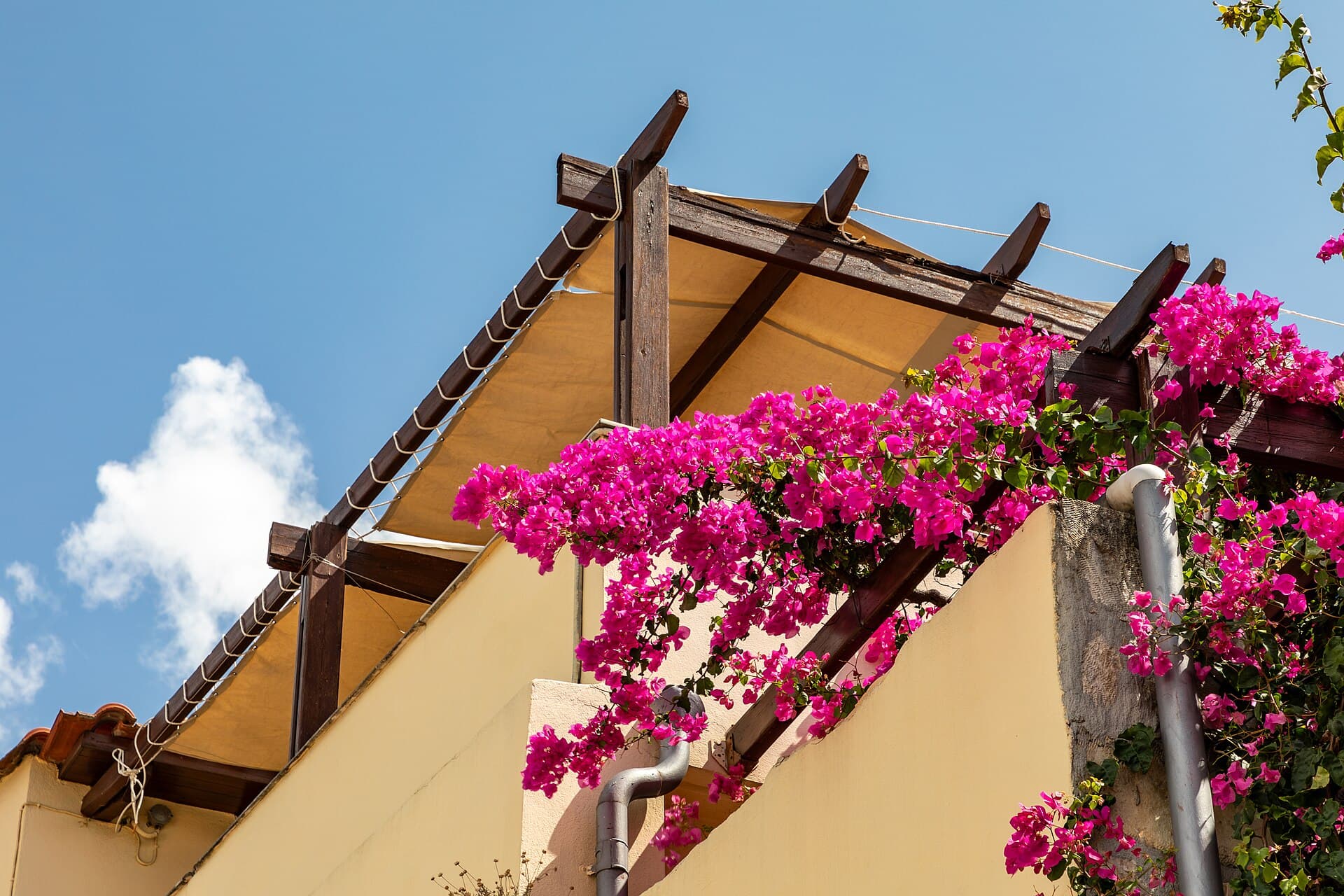
Winter on an Australian deck is not a single season. In Hobart and Canberra it is frost on the boards and a reason to stay inside unless you have planned otherwise. In Melbourne it is a run of cold, wet weeks interrupted by a still, bright afternoon that would be perfect if the furniture were dry and the wind had somewhere else to go. In Brisbane it is a light jumper and a late dinner. In Darwin you are not reading this essay for the cold. Outdoor living has to name the climate it is talking about. This piece is for the southern and inland households who built a deck in November and discovered in June that they had bought a summer platform.
Heat is the obvious tool. Wind-break and a roof are the tools that make heat worth having. A mushroom heater on an open western deck in a southerly is a way to burn gas for the sky. The same heater under a shut louvre, with a screen on the weather side, is why some households eat outside in July. Pergolas, vergolas and shade are therefore a winter file as much as a summer one. The hero image on this page is a covered pergola with planting — a shade study that also reads as enclosure. That is the point.
What “winter use” actually means
Decide the use before the appliance. A place to stand with a cup at 8 am in August is a different brief from a dining table for six at 8 pm in June. Morning sun on a north face, a dry chair, and a door that does not leak cold air into the house may be all the first brief needs. The second wants a roof, a screen, heat, and lighting that does not leave the steps in darkness. Designing a deck for Melbourne weather is the planning companion: sun path, the south-westerly, and the week of horizontal rain.
Furniture matters more than people admit. A metal chair at dawn is a sculpture. A timber bench with a stored cushion is a seat. If you will not put the cushions away, do not buy cushions. A deck that stays in use in winter is a deck with a home for the things that make it comfortable — a chest, a cupboard, a hook inside the door — not a styled photograph of throws left out for the dew.
Access matters too. Wet boards, a lip at the sliding door, and a flight of stairs with no light are why older households abandon the deck until October. Accessible decks, ramps and thresholds are not only an ageing-in-place topic. They are a winter topic. A threshold you can cross in socks with a plate is a threshold you will use when it is cold.
Open fire on timber
A fire pit is the appliance people want in the picture. It is also the one that does the most damage when it is treated as furniture. Wood fire throws spark, radiant heat and a circle of charcoal dust. Timber decking, oil films and dry leaves are a triad you do not want under that circle. The honest installation is a non-combustible hearth — stone, concrete, masonry, a steel plate on a rated base — larger than the appliance, with the clearances the maker prints, and with nothing stored under the deck in the same vertical line if embers can fall through gaps.
Gaps are the quiet risk. A hardwood floor with a designed drainage gap will let a coal through. Fine mesh under the pit, a solid hearth, or a pit that is a contained gas unit rather than an open bowl are the usual answers. Do not fill the gaps with rubber strip “for winter” and then forget you have blocked the drainage the boards need. Oiling and maintaining a timber deck includes keeping those gaps open. A winter fire is not a reason to close them.
Bushfire overlays change the conversation. An open fire on a deck in mapped country is not a lifestyle choice you get to make against the overlay and the fire ban. Total fire ban days are not a vibe. They are a legal stop. Even outside mapped BAL country, a fire ban is a fire ban. We will not invent a distance or a rating that makes an open bowl safe on a January evening. If the lot is mapped, start with the overlay and a surface that belongs in that BAL, then decide whether any fire appliance is left.
Neighbours are the other overlay. Smoke sits in a small courtyard the way it never sits on a quarter-acre. A pretty pit that smokes out the terrace next door is a dispute, and in strata it can become a by-law. Gas and well-seasoned wood are not interchangeable in a tight court. Gas is the neighbourly fuel. Wood is the weekend fuel on a block with air.
Gas fire pits, tables and the bottle cupboard
Gas fire tables are popular because they look like furniture and they turn off. They still want a non-combustible surround, a hose and regulator that are outdoor-rated, and a bottle that is vented and strapped, not shut in a sealed cavity under the table. The same discipline as an outdoor kitchen applies: licensed gas work if it is connected to the house, and no hopeful brass fittings from a mixed drawer.
A gas pit on composite needs the manufacturer's view on radiant heat and melt. Polymer caps do not forgive a bowl that was designed for a stone terrace. Hardwood is more honest next to heat, provided the hearth is real. Australian hardwoods will scar from a dropped ember. They will not usually puddle. That is not permission to skip the hearth.
Patio heaters and electric radiant bars
The bottle mushroom heater is the Australian winter default and a poor one on an open deck. Heat goes up. Wind takes it sideways. Under a roof, with people sitting rather than standing, it can make a circle you can live in. Read the clearances to the roof membrane, the louvre and the balustrade. A heater that sits against glass will mark the glass and, on a bad day, crack it. A heater that sits against a timber rail will toast the oil.
Electric radiant bars fixed to a pergola beam are the cleaner specification for a deck that already has power and a roof. They throw heat at people rather than at the sky. They need outdoor-rated fittings, a switch you can reach, and a circuit that is not shared with a fridge you cannot afford to trip. They do nothing in rain if they are not rated for it. They do nothing in wind if there is no screen.
Naked bar heaters above a table are a head-height hazard and a glare. Position them to the side or high enough that a tall guest is not branded. Lighting and heating should be designed together so the beam is not a tangle of afterthoughts.
Built-in fireplaces and the outdoor room
A masonry fireplace on a deck is building work. Weight, a hearth, a flue, and a roof that can take the flue are not a weekend add-on. If the deck is over a living space, the fireplace is a waterproofing problem of a special kind: heat, penetrations, and a chimney that must not become a leak. If the deck is a poolside terrace, the fireplace cannot become a way around the barrier, and ash cannot become a water-quality problem.
This is the point at which council approvals and a building permit are the main event. A fireplace can turn an exempt or complying deck into a DA. Draw it early or do not draw it. A later chimney through an approved roof is a second application and a second set of neighbours.
Wind, rain and the envelope you actually need
Heat without enclosure is a gesture. The winter envelope is usually three sides of something — the house, a screen, a planting, a drop-down clear blind you are willing to look at — and a roof you can close. The fourth side stays open so the room still feels like a deck. Close all four and you have built an uninsulated room that sweats and needs the same condensation thinking as a badly detailed sunroom.
Screens are a living tool and a planning one. A solid screen that stops the south-westerly can also stop the neighbour's view, which is sometimes the point and sometimes the objection. Perforated metal, timber battens with a tight spacing, and a hedge you wait for are the usual kit. On a raised deck the screen may be a balustrade conversation: height, openness, and whether a solid panel changes the wind load on the frame.
Rain on winter boards is a slip and a stain. A roof that sheds into a gutter is kinder than an open pergola that drips on the dining table. Leaves in that gutter in June are why the table gets wet. Maintenance does not pause for winter. It changes clothes.
Surfaces that stay honest in the wet
Hardwood that was oiled when it needed oil is still a decent winter floor if the moss is not allowed to take the shade. A south-facing court in Melbourne will grow a film. Wash it. Do not wait for a guest to discover it. Composite in the same shade will grow the same film on the texture. Neither material is “winter-proof”. Both want a brush.
Pale boards show mud from the garden. A mat that is actually used at the door, and a path that is not a swamp, will save more appearance than a special winter oil. Do not slather a film-forming coating on in May because you are cold and optimistic. It will peel in September.
If the household includes someone who is unsteady on wet timber, the winter surface is an access problem. A narrower gap, a nosing you can see, a handrail that continues to the door, and light on the landing are more useful than another heater.
Specifying heat so the deck survives it
Write the fuel, the hearth, the clearances, the roof and the screen on the same drawing. Write who is licensed for gas. Write the fire-ban behaviour as a household rule, not as a sticker you will lose. Then sit outside on a bad evening in the actual wind and ask whether you would stay. If the answer is no, spend the money on the envelope before the appliance.
Choosing a deck builder for a winter deck means finding someone who will talk about flashing and load, not only about a fire bowl they can photograph. The design work is the sun and the wind. This essay is the fire and the sitting.
If a ban, a clearance or a product limit in this piece is out of date, send the current document through contact. We correct against the overlay and the manufacturer. How we do that is on editorial standards. The short version of the journal is on about; documented winter detailing is welcome via write for us.
Questions readers ask
- Can I put a wood fire pit on a timber deck?
- Only on a non-combustible hearth that is large enough for spark and radiant heat, with clearances the appliance actually needs, and never in a location the overlay or the insurer has ruled out. A bowl on a deck board is how you buy a brand and a claim.
- Are outdoor gas heaters enough for a Melbourne winter?
- They take the edge off a still evening under a roof. They do little in a south-westerly on an open platform. Pair heat with wind-break and a ceiling, or accept that June nights are for the indoors.
- Do I need approval for a built-in outdoor fireplace?
- A masonry fireplace, a flue and a roofed outdoor room are building work. A movable fire bowl is usually furniture until it becomes a nuisance. Check the planning rules and the bushfire overlay before you order stone.
Keep reading
Related essays
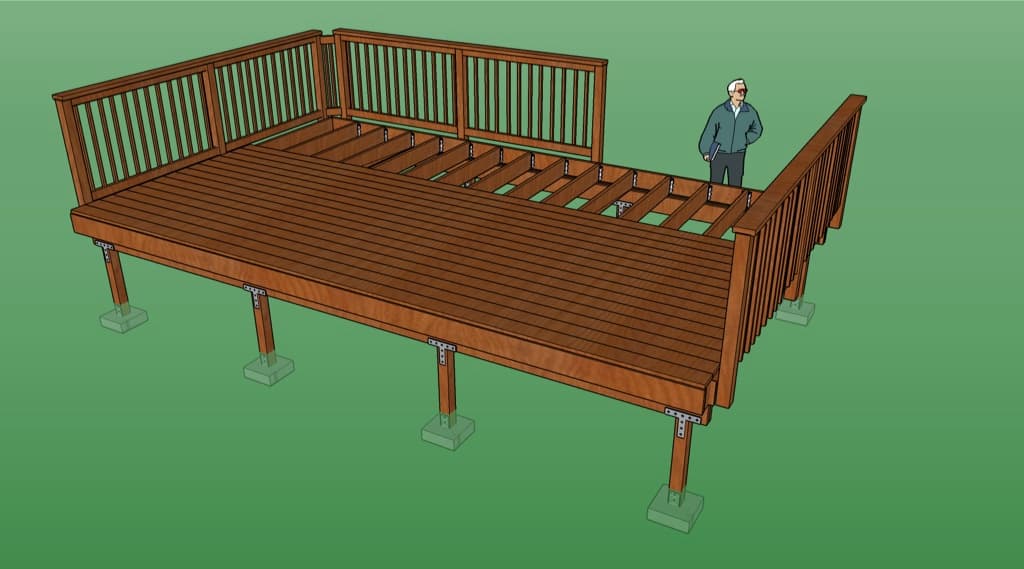
Choosing a deck builder: quotes, contracts and red flags
A deck quote is not a vibe. It is a licence, a scope, a deposit and a set of exclusions. How to compare builders under Australian consumer law without treating a handshake as a contract.
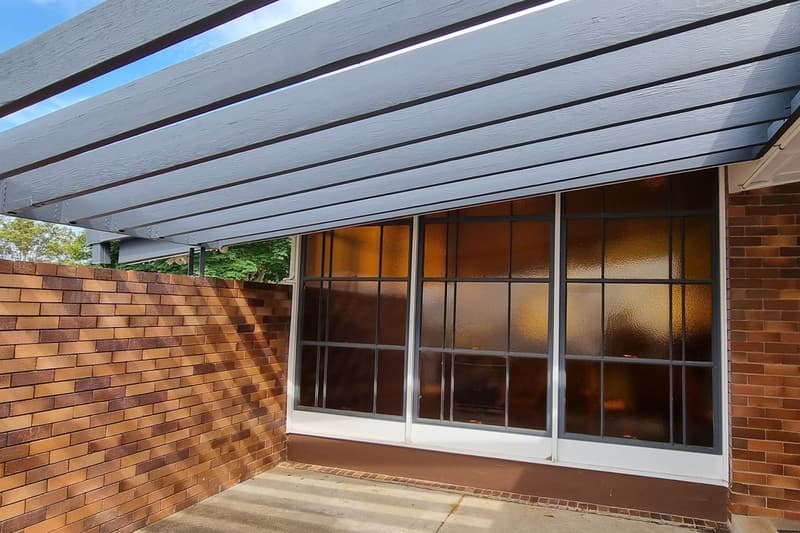
Small courtyard decks for inner-city terraces
A Paddington, Fitzroy or West End court is not a suburban platform scaled down. It is a floor, a drain, a neighbour and a clothesline arguing in a few metres.
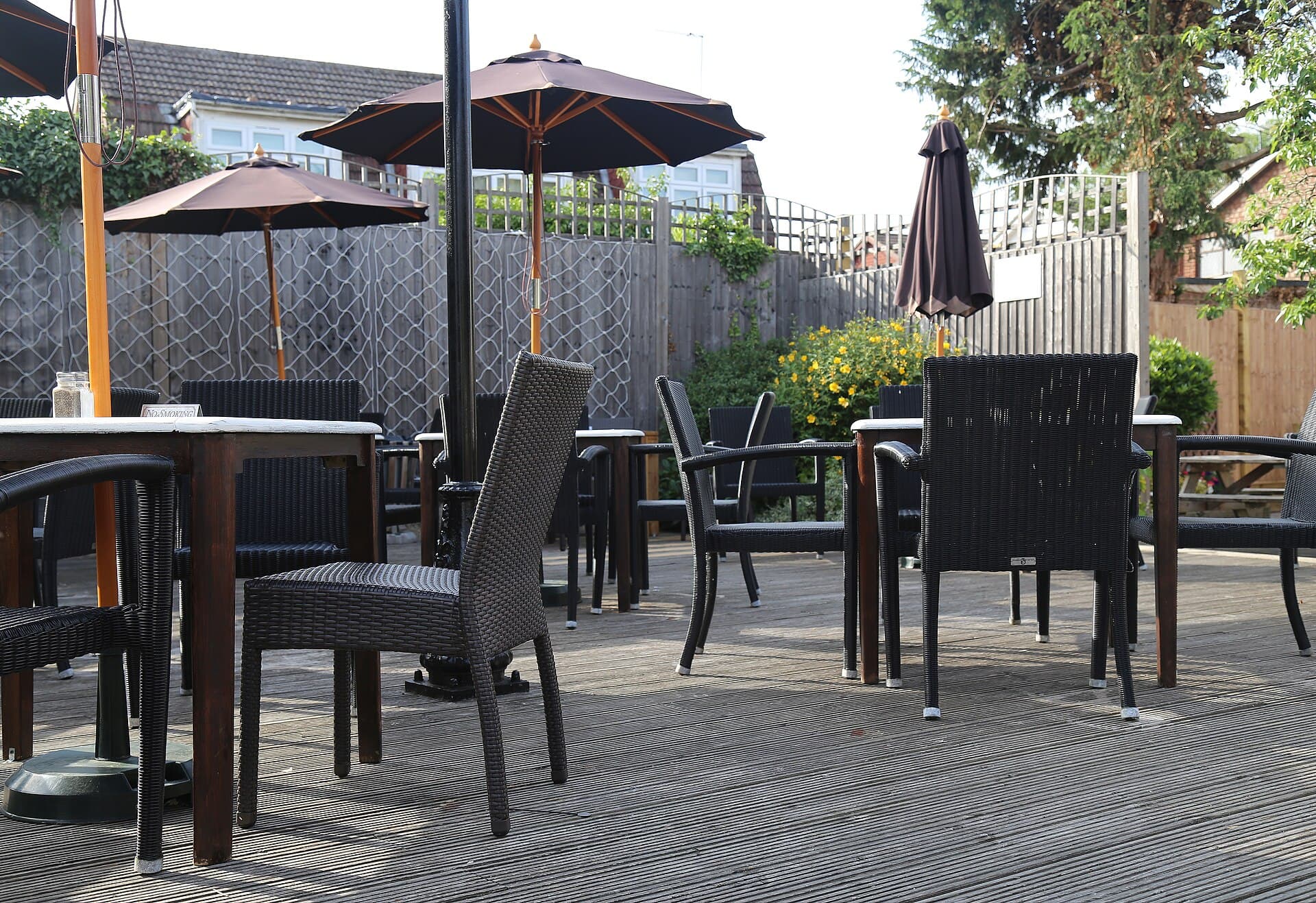
Accessible decks: ramps, thresholds and ageing in place
A deck that only works for people who can step a lip, climb a flight and see an unlit tread is a short-term room. Ramps, landings and honest thresholds are how a platform stays in use.