Tropical decks in Queensland: ventilation, termites and the wet season
A deck in the Queensland tropics is a wet-season structure. Ventilation, termite management, species and the dry-season oiling window matter more than a southern maintenance calendar.
By Custom Decking editorial
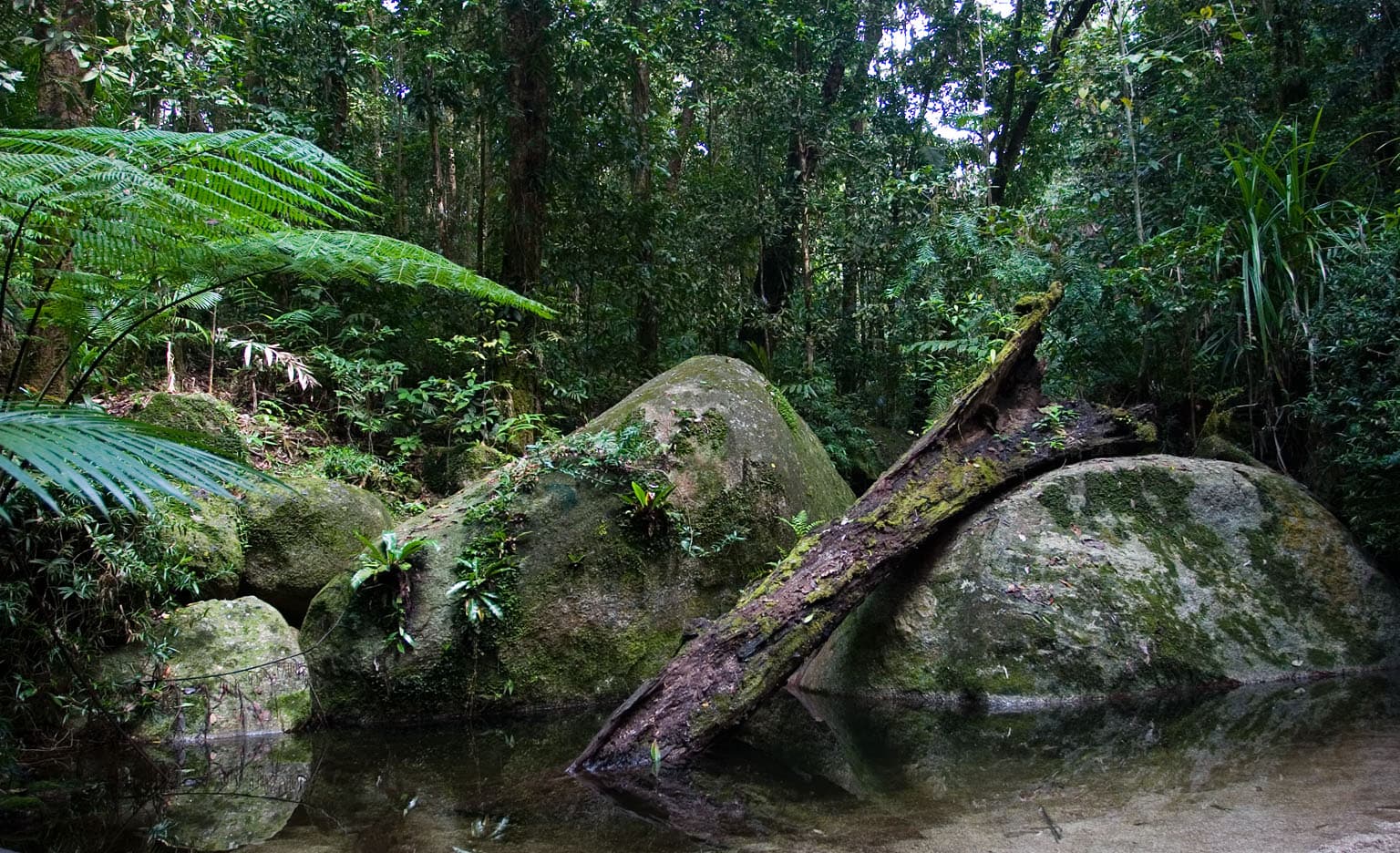
A deck that works in Ballarat can fail in Innisfail without a single change of species on the quote. The difference is not a lifestyle paragraph about mangoes. It is a wet season that lasts, a dry season that cooks, a termite pressure that does not take holidays, and a habit of building southern details in a northern climate. Tropical Queensland — and the wetter subtropical coast below it — is a climate and care problem first. The oil, the mould and the pests are symptoms. The drawing is the cause.
This essay is for decks from about Gladstone north, and for any Queensland site where the wet season is a design load rather than a week of rain. Brisbane households will recognise half of it. Cairns, the Cassowary Coast, the Daintree fringe and the humid hinterland will recognise all of it. Salt at the beach is a second climate; keep coastal decks open if you can smell the reef from the slab.
Two Queenslands
Queensland is not one exposure. The dry inland and the south-east uplands are not this article. The wet tropics and the humid coast are. In the wet months the air stays moist, rain arrives in serious volume, and a shaded deck may not dry between events. In the dry months the western sun is hard, the boards shrink, and a coat you applied in a hurry in March is already tired.
Build for both, not for the afternoon you visited the block in August. A client who signs off a dark, unventilated platform in the dry and then lives under it through January has been sold a southern courtyard.
Cyclone and wind region is a structural conversation. We will not pretend this page is a wind code. If the site is in a designated region, the engineer and the approvals path lead. A pretty wearing surface on an underspecified frame is not a tropical deck. It is a kite.
The wet season is a design load
Water has to leave. Fall on the structure, even a little. Gaps that stay open. Boards that do not pond. A subfloor that is not a still pond of humid air over bare soil. Downpipes that do not dump on the platform. Irrigation that does not treat the deck as a splash zone.
A waterproofed deck over a room is a membrane job that happens to have timber on top. Tropical rain will find the missed detail. Do not use this climate to experiment with a hobby waterproofing.
Shade is comfort and a biology gift. Deep, permanent shade over a low deck is how you grow the film described in mould, algae and slip hazards. A pergola that takes the western punch and still lets a drying breeze through is a tropical instrument. A solid roof that turns the subfloor into a cave is a mould room with furniture.
The first rains after the dry will lift extractives from merbau and some other imports, stain pale concrete, and show every missed end-seal. Plan the runoff. Do not discover it on the neighbour’s limestone.
Ventilation under the boards
If we have one tropical rule, it is this: the underside must dry. A low, boxed-in deck hard against soil in the wet tropics is a decay and termite gift. Raise it if you can. Leave the perimeter open enough for a breeze. Do not close the subfloor with decorative screening so tight that you have built a moist cupboard. If you screen for appearance or for under-croft storage, leave airflow and leave inspection.
Joists and bearers want air on more than one face. Garden beds heaped against the frame, a slab that traps splash, a sealed skirt — those are wet-season failures that look like material failures in year four.
Treated pine as framing still makes sense when it is H3 in the air and H4, or steel, or concrete, in the ground. H3 in a tropical closed pocket is asking a hazard class to be a climate. Footings, stumps and posts are where that junction is drawn. A stirrup that actually keeps the post out of the wet, with a dry collar, is a different product from a post dropped in a hole and called finished.
On-ground and near-ground pine platforms in this climate are the jobs that turn households against timber. Raise, ventilate, or choose a different system.
Termites in the wet tropics
Far North and much of coastal Queensland are serious termite country. A deck is a bridge, a shelter and sometimes a meal. Durable hardwood heartwood is not a termite management system for the house. Treated pine is not a termite management system for the house. The NCC still wants a managed system in termite-capable zones. That system is termites and deck construction, not a paragraph we will compress into a reassuring sentence here.
What this climate adds is moisture. Termites like a damp, dark, undisturbed run. A wet ledger against the house, a closed subfloor, firewood stacked under the deck, a garden bed that hides the inspection zone — those are tropical detailing errors with a pest name. You cannot oil your way out of them.
Inspection has to be possible. If the carpenter has built a pretty box you cannot see into, the termite manager cannot do the job you will later claim you paid for.
Species that tolerate the cycle
Class 1 and class 2 above-ground heartwoods are the wearing-surface conversation: spotted gum, blackbutt, tallowwood, the ironbarks, a documented merbau if you have accepted the bleed and the paperwork. That choice lives on the materials desk; Australian hardwoods for decks is the species file. What the tropics add is that a board which is merely adequate in a dry southern court is asked to wet and dry hard, again and again. Durability class is not optional reading.
Pine as a wearing surface in full tropical weather is a short cosmetic life and a mould life. It can still be an honest painted verandah under a roof. It is a poor “set and forget” entertaining deck in Cairns sun and rain.
Composite appears in tropical quotes because someone is tired of oiling. Heat on a dark cap is a barefoot problem. Expansion in a long run is a gap problem. Mould on a shaded cap is still a wash. Some formulations are sold into wet work; some warranties discover the wet tropics in the exclusions. Read that sentence. Composite versus timber is the comparison; this climate is the test.
End-seal every cut. Acclimatise the boards on site. Do not lay a wet parcel tight and then act surprised when the dry season opens trenches, or when the wet swells a tight gap into a peak. Boards and fasteners still apply. The tropics make the moisture content on the day a sharper number.
Fasteners, salt and the coast
A tropical coastal deck is two climates at once. Stainless is the fastener conversation — 316 if you are in true marine exposure — and copper-treated pine still wants a fastener rated for the treatment. Bright steel in this air is a stain and a failure. Hidden clips are fasteners. Specify the alloy.
Salt on the face holds moisture and feeds corrosion. A freshwater rinse is maintenance. So is keeping the gaps clear of organic mash after the wet.
Bushfire is not only a southern highlands story. Parts of Queensland are mapped. A tropical species choice does not exempt you from BAL ratings and deck design if the overlay says otherwise. A wood–plastic board is still a combustible product until a test report says something a certifier will accept.
Shade, mould and the oiling window
Oil in the dry. That is the sentence. The boards must be dry through, the forecast must be a run of days, and you should not begin a two-coat job on the afternoon the build-up feels like rain. Oiling and maintaining a timber deck is the method. The tropics change the calendar, not the chemistry.
If the deck never dries, you do not have an oiling problem. You have a ventilation and shade problem. Coating a chronically wet face seals a film and disappoints you by Easter.
Surface growth after the wet is ordinary. Wash, dry, then decide whether you are oiling or silvering. A household that closes a holiday house for the wet and returns to a skating rink has a care plan to write: someone washes, or the surface changes, or the house is not left shut on a wet deck.
When the face is past oil — cupped, thin, soft — you are in restain, recoat or replace, and you should look at the frame before you look at the tint.
Building for the monsoon, not the brochure
Specify durability class, hazard class, fastener alloy, inspection access, fall, and the oiling or washing plan the household will actually keep. Draw the subfloor as a drying space. Keep the deck off the soil. Keep the junction with the house inspectable. Name the wearing surface; “hardwood” is how the wrong import lands on a tropical job.
A tropical deck is not a southern deck with more plants. It is a wet-season structure that has to dry, a termite structure that has to be seen, and a maintenance structure whose only honest coat is in the dry. If a climate claim or a hazard class in this piece is wrong for a particular overlay, send the document through contact. We correct against the code and the season, not against a winter visit. The rules are on editorial standards. The Daintree photograph is credited on image credits.
Questions readers ask
- Can I use the same decking timber in Cairns as in Brisbane?
- You can use the same durability class, but you should not assume the same detailing or the same maintenance window. Far North wet tropics keep timber wet longer, grow more surface film, and sit in serious termite country. Brisbane is subtropical and still demanding. Specify for the site, not for the state.
- When should I oil a deck in tropical Queensland?
- In the dry, when you have a run of days and the boards have dried through. Do not start a two-coat job in the build-up because a southern spring calendar said so. If the deck never dries, fix ventilation and shade before you open a tin.
- Is treated pine all right for a tropical Queensland deck frame?
- As above-ground, ventilated framing in the right hazard class, it is still the ordinary structural material. In the ground, or in a closed wet pocket, it is a shorter story. Termite management for the house remains a system under the NCC, not a green stamp on a joist.
Keep reading
Related essays
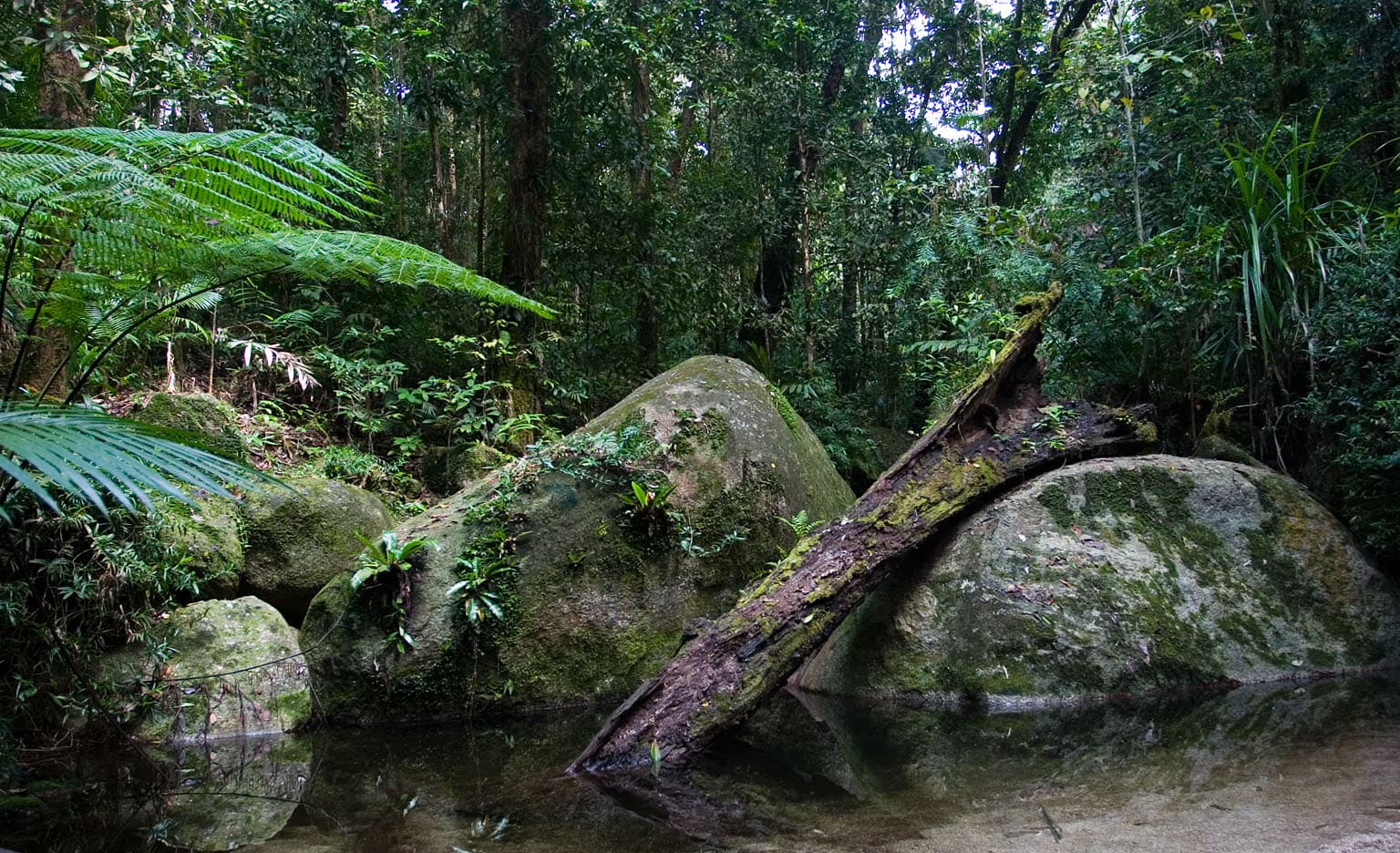
Termites and deck construction in Australia
A deck is a bridge to the house if you detail it that way. How Australian termite management, inspection zones and timber choice actually meet a custom deck — without treating a species as a system.
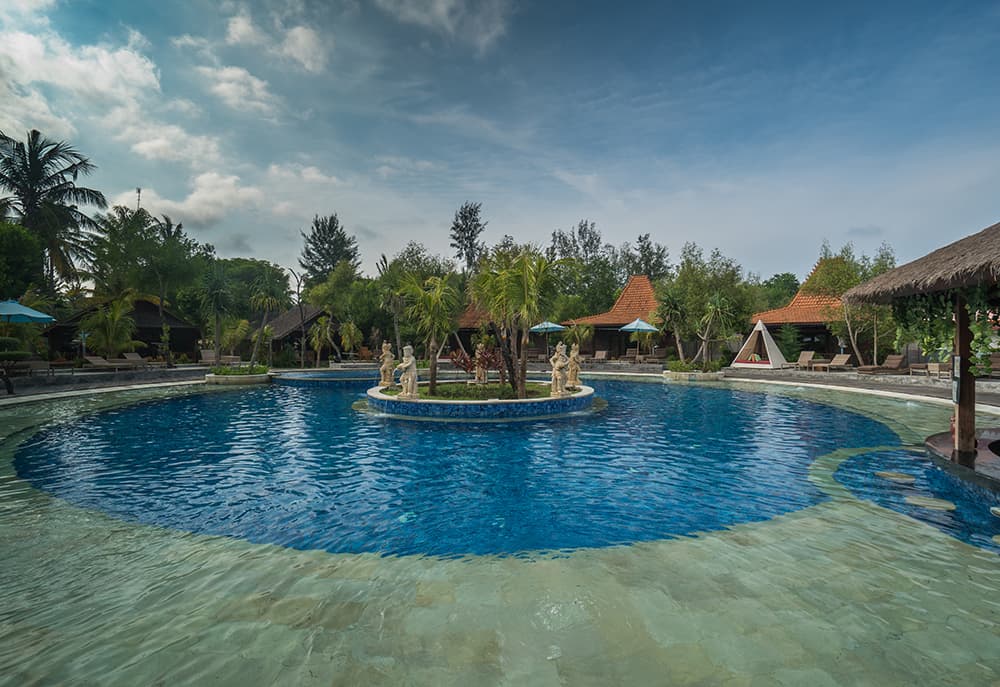
Poolside decks: drainage, slip resistance and chemical splash
A deck beside an Australian pool is a wet edge. Drainage, grip under a wet foot, and what chlorine or salt does to timber, fasteners and finishes — before the coping photograph.
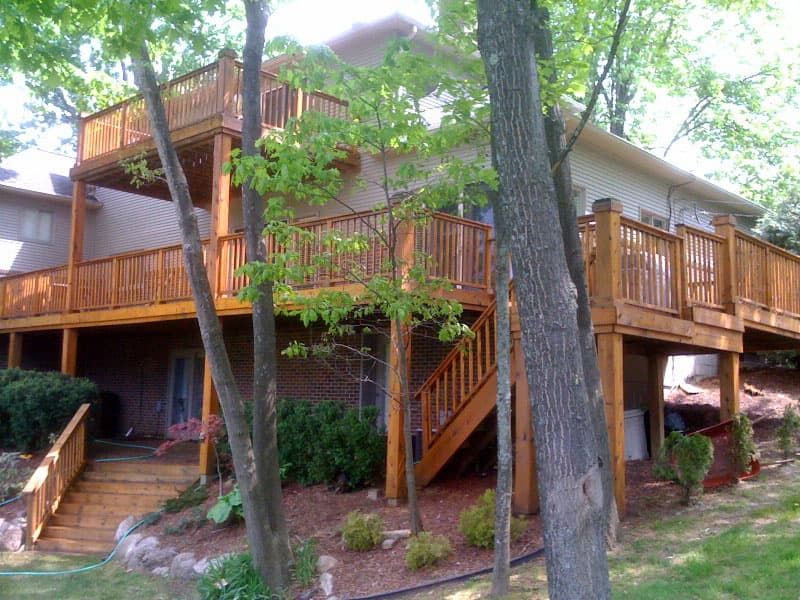
Restain, recoat or replace: deciding the next life of a deck
A tired Australian deck is three different jobs — a new stain, a new film, or new boards. How to tell which one you are actually in, and when the frame is the problem.